Replacement Guide / Ford / Ranger / 2000 / Alternator
2000 Ford Ranger · Starting / charging
Alternator Replacement Guide
Owner-reported evidence and replacement guidance for the alternator on the 2000 Ford Ranger.
For the 2000 Ford Ranger
Alternator
4 owner reports involve the alternator for the 2000 Ford Ranger.
These are owner reports that involve this component. They are not a diagnosis, a failure rate, or a prediction that the part will fail.
Owner situations associated with this component
These are validated relationships from owner-report evidence. They do not diagnose this vehicle.
Worth checking first
General checks before assuming replacement. They do not confirm the cause on this vehicle.
- Confirm charging-system symptoms and battery condition before replacing the alternator.
- Belt condition and connections can look like an alternator fault.
About this component
General replacement guidance
Charges the battery and powers the electrical system while the engine runs.
Why owners investigate it
Stalling, a battery that keeps dying, or charging-warning lights can involve the alternator.
Signs people report
- Battery light while driving
- Electrical dimming at idle
- Battery that dies after a short drive
Parts catalog
Replacement parts listed for this model year
These products are listed in our catalog for the 2000 Ford Ranger. Fitment is model-year level, so check engine and trim details before ordering.
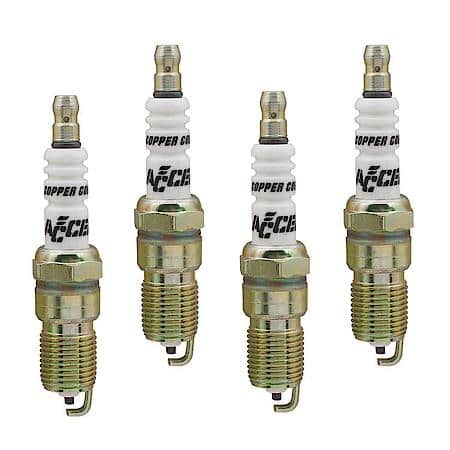 AccelAccel HP Copper Spark Plug - 14mm Thread - .708 in Reach - Tapered Seat - 4 Pack, 0526-4Check price
 JBA PerformanceJBA Performance W06349 Ignition Wires 97-00 Ranger/Explorer 4.0L OHV BlueCheck price
 AccelAccel Ignition Coil - SuperCoil - Ford 4-Tower EDIS with horizontal plug - SuperCoil 4-tower EDIS ignition coil for Ford 1988-2003 has a maximum ou...Check price
 JBA PerformanceJBA Performance W06479 Ignition Wires 98-00 Ranger 3.0L BlueCheck price
Related components
Other replacement-related parts linked through the same owner situations, with reports on this model year.
About the data
Component evidence comes from structured complaint categories and reviewed component mentions in complaint summaries. Owner-situation evidence comes from reviewed symptom language in complaint summaries. Reports are signals, not diagnoses.
How to read this page
Vehicle-specific numbers are distinct owner reports from the published aggregate table. Related owner situations come from a validated graph, not from inventing a symptom count out of the component total. General guidance is the same for every vehicle and is not a diagnosis of yours.